
|

|
Australia Tourist Guide -> Western Australia Tourist Guide -> North West Western Australia - Tourist Guide
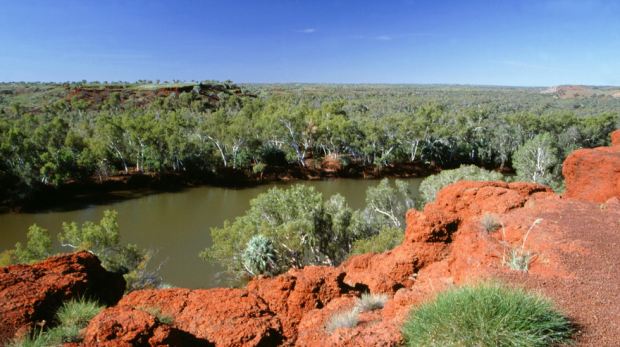
Photo: The Pilbara - Millstream-Chichester National Park
Western Australia
Perth Places to Visit
- Western Australia
- Perth Australia WA
- Perth City Central CBD
- Perth Places to Visit
- Fremantle Perth
- Rottnest Island WA Perth
- WA National Parks
Adventure and Things to Do
- Perth Kids Activities
- Perth WA Aboriginal Arts, Culture
- Perth Tours, Cruises and Activities
- Perth Tourist Info
- Perth Weather
- Perth Hotels WA
- Perth CBD Map
Regions
- Best Places to Visit in Western Australia
- Kimberley Western Australia
- Broome Western Australia
- Broome Weather
- Central Coast W. Australia
- Monkey Mia - Shark Bay Midwest WA
- North West W. Australia
- Ningaloo Reef WA
- South East WA
- South West WA
- South Coast WA
- Albany WA
- WA Attractions
- WA Museums
Maps of WA
Australia Tourist Guide -> Western Australia Tourist Guide -> North West Western Australia - Tourist Guide
Mobile Version: Mobile
North West Western Australia - Tourist Guide
Travelling north from Perth and beyond Shark Bay brings you to the North West Coast of Western Australia. From Coral Bay to Exmouth and around into Exmouth Gulf, Ningaloo Reef National Park has the largest barrier reef in WA.
Ningaloo Reef Marine Park
Coral Bay is a good launch pad for visiting the 260km long protected Ningaloo Reef. During the spawning season of the coral, late march, Whale Sharks arrive at the park for seasonal feeding (April to July).
See more about the Ningaloo Reef Marine Park.
Exmouth
Exmouth, once was an important Allied submarine base in WWII, before being transferred to the Australian Navy. There are now has some great Eco Tours of Ningaloo Reef Park to be had in this resort town, while nearby is the Cape Range National Park.
Exmouth also has splendid fishing, swimming, surf and diving opportunities. Bring your camera, there’s plenty of charming scenery to photograph as well.
At Cape Range National Park, Australian fauna is abundant. Here you can spot many varieties of birds, as well as wallaroos, emus and red kangaroos. Flora includes over 600 species of flowers as well as other plants unique to the region.
There are also numerous deep gorges providing fantastic views and wildlife walks, although these are not recommended on hot days in summer months, temperatures can exceed 50 degrees Celsius (120 degrees Fahrenheit). Even Aussies would tell you thats hot.
Karratha
Karratha is a modern mining boom town. Only founded in the late 1960s, it services the iron mines that have helped strengthen Australia’s economy, even more so now than in the late 20th century.
The surrounds of Karratha is called the Pilbara region. The Pilbara stretches from the coast to east border of Western Australia. A land of ancient mountain formations, deep gorges formed by rivers long ago with some spectacular waterfalls and pools. Tens of thousands of aboriginal rock carvings dot the area, many dating back thousands of years.
Millstream-Chichester National Park
This park is famed for its freshwater springs and pools surrounded by cotton palms, making a desert oasis. The water in the pools come from deep underground springs, it provides a habitat for birds, red kangaroos, frogs and many other Australian animals.
There is camping available at the Millstream-Chichester National Park, as there is in Cape Range NP.
Onslow
Those interested in history should visit the Goods Shed Museum at the Onslow Visitors Centre. Onslow itself had originally been a place for goldminers and pearlers. Since the pearling has now moved to Broome and the gold finds further east, the town is pretty much a sleepy fishing village.
During WWII, the Japanese launched two air attacks on the town, as it was used to refuel Dutch, British and American submarines. Submarines played a vital role during the Battle for Australia, particularly in the early years.
Port Hedland
Now an important Iron Ore ship loading facility for BHP-Billington, the ore arrives from points east, deep in the desert regions from afar afield as Newman by long trains (up to 3.7 kms). You can tour the loading facilities on weekdays to view the massive equipment used.
In July to October, there are whale watching cruises available at Port Hedland, to spot whales on their annual migrations north.
Karijini National Park
Streams and Rivers have cut their way into the ancient land deposits over millenia to form deep gorges, red in colour from the rusty profusion of iron in the soils and rock. The park protects numerous species of animals and their habitats.
Though each gorge is unique, their views are dramatic, with crystal clear streams and pools below.
Accommodation
There are hotels, resorts, motels and other accommodation suitable for most budgets in all the major centres. Motels and quaint bed and breakfasts, caravan parks, campsites as well as backpacker hostels are scattered on the main routes and further afield.
Western Australia
Perth
Perth Western Australia
Broome Western Australia
Pearling at Broome
National Parks and Reserves in WA
North West WA has stunning coastal National Parks and Marine Reserves, as well as truly remote and vast desert parks: North West WA National Parks Map.
Work, Jobs in Australia
Curious about trying about working on holiday in Australia? - Find out more at Work in Australia.
Western Australia Hotels and Accommodation
Australia accommodation and hotels - Accommodation Australia.
Search the Australia Tourist Guide
Photo: Pilbara - Karijini National Park